

We are delighted to feature Alina Vishniakova, Head of Technology, Technology Analytics at TUI, in our Amazing Speaker Interview series for Data Demystified Summit Berlin 2026. Known for her thoughtful leadership and commitment to data fluency, Alina leads efforts to unlock the full value of data across TUI through tailored data products, simplified architecture, and a strong culture of curiosity and experimentation. At this year’s summit, she joins the Panel Discussion | [Data-Driven Leadership] Building a Data-Driven Culture: From Intuition to Insight, where she will share how her team fosters confidence, collaboration, and action across functions by putting data at the heart of everyday decisions.
The Data Demystified Summit Berlin will be held alongside The MarTech Summit Berlin at the JW Marriott Berlin on 5 March 2026! Maximise your organisation’s learning potential with our exclusive Dual Summit Pass, which allows free movement between both summits and access to all sessions.
About TUI
TUI is one of the world’s leading tourism companies, offering integrated travel services from its own airlines, hotels, cruise lines, and travel agencies. With a strong focus on innovation and digital transformation, TUI leverages data and technology to deliver seamless, personalised travel experiences to millions of customers across the globe. The company continues to lead in data-driven operations that improve both customer satisfaction and business efficiency.
Quick Q&A with Alina Vishniakova
Could you start by introducing yourself and sharing what your current focus is at TUI?
I am Head of Technology for Technology Analytics at TUI. The focus of the department is to “unlock the data”: we act as advocates of data literacy – or, as we prefer to call it, data discovery, data fluency – for our internal customer community. We aim to enhance how data is used, addressing a lack of confidence we often see in both business and technical users. This gap usually stems from limited capacity, curiosity, and a clear purpose around data. We tackle this by investing heavily in data quality, providing a single source of truth per platform through data products, and offering multiple interfaces tailored to different user groups. We also enable learning and experimentation, ensuring motivation comes from the real goals teams want to achieve.
On a personal level, my focus is on supporting my team, working closely with C-level stakeholders, driving strategy, and – most importantly – ensuring our department continues to flourish, stay relevant, and focus only on work that truly makes sense.
In your experience, what are the most effective ways leaders can encourage data literacy and confidence across cross-functional teams?
Change will not happen as long as there are ways to avoid it. Data-related activities must be part of everyday work (embedded into objectives, performance discussions, bonus criteria, and recognised achievements) rather than treated as a specialist activity. Leaders should encourage their teams to ask questions, explore data themselves, and make it the default way of addressing business problems. At the same time, it’s important to create safe spaces to experiment: generating insight is a skill that needs to be learned, tested, and celebrated. Data literacy grows fastest when people clearly see how data helps them do their jobs.
You work with a wide range of technologies, from AWS to Tableau to KNIME. How do you decide which tools serve the business best without overwhelming teams?
We only use what actually makes sense. Our architecture is lightweight by design, giving us the freedom to adapt and evolve without locking ourselves into a single vendor. This is especially important in the fast-moving world of AI, where future use cases and technologies are nearly impossible to predict. We focus on anticipating where we can, observing carefully, and reacting. At the same time, we avoid introducing new tools out of panic. It’s always a balance, guided by core questions: what are we trying to achieve, is this a recurring activity with a broad audience, who benefits, and is the tool or process still delivering value, or should it be decommissioned? When an environment is built on sensibility, transparency, and simplicity, the rest is just detail.
Many organisations struggle to align data strategy with customer outcomes. What has helped you and your teams stay focused on delivering real impact, not just reports?
We don’t want to be seen as a reporting function, certainly not in the last three years. Reporting, as it often exists, is simply one group showing data to another, frequently done to tick a box rather than to foster change. In that form, it has little value. What we care about instead is action. And action doesn’t come from a RAG status or a trend chart alone; it comes from dissatisfaction with an answer to a question. That, in turn, requires both a meaningful question and a credible answer that makes you want to react. We make this consistent by working closely with the business, challenging requirements, and helping design processes that expose gaps and encourage action. A dashboard is sometimes useful, but it is rarely the answer by default.
Looking ahead to 2026, is there a professional or personal goal you are particularly excited to pursue?
Looking ahead to 2026, my goal is to strengthen an environment that can genuinely run without constant oversight and help others build the same look and feel in their spaces. If I can drink good coffee and pose for fashion magazines while a team of professionals I hired delivers meaningful, high-impact work – using what I’ve taught, encouraged, and enabled, and only needing me for occasional consultation or strategic decisions – then I’ll know I’ve done my job well. That’s the point where real, sustainable, reproducible value is created.
Alina’s candid and practical approach to data leadership reminds us that true impact lies not in dashboards, but in action. Her emphasis on clarity, cultural alignment, and sensible tooling offers a blueprint for organisations seeking to embed data into the fabric of business. As the pressure to drive measurable outcomes intensifies, leaders like Alina are showing how data-driven cultures are built, not by chasing trends, but by building environments of trust, simplicity, and purpose. We look forward to hearing her insights at Data Demystified Summit Berlin 2026.
Join Us Now!
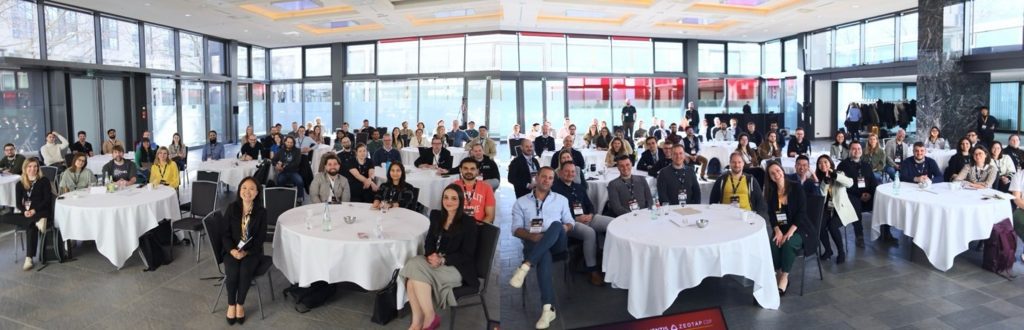
The Data Demystified Summit series aims to bring together the best minds in the data field from a range of industries through diverse and engaging formats. This in-person event promises a full day of networking, bringing together over 150 professionals for an English-speaking regional summit. The summit will feature dynamic formats such as Panel Discussions, Keynote Presentations, Fireside Chats, and Lightning Talks, ensuring the most comprehensive summit experience. Seize this opportunity to learn from top industry experts, share ideas with peers, and engage in in-depth discussions with professionals from diverse sectors. Bring your team, and get ready for 2026!
We are looking forward to meeting you in Berlin on 5 March 2026!
➡ Interested in becoming a partner? Don’t hesitate to get in touch with us at Hello@datademystifiedsummit.com
Stay up to date with our Speaker Line-up, Session Information, and Agenda Updates by following us on:
See more Data Demystified Summit interview pieces here!
Last updated: January 2026